Ethical Considerations in Drone Landscape Photography Explained
Modern aerial imaging has transformed how landscapes are documented, marketed, and understood. From urban regeneration to rural land management, the ability to capture elevated viewpoints brings enormous value to commercial, industrial, agricultural, and public-sector projects. However, with this capability comes responsibility.
Drone landscape photography must be approached with care, respect, and professionalism, particularly in a diverse region such as Greater Manchester, where dense urban areas, protected green spaces, waterways, and private land sit side by side. Ethical practice ensures not only compliance with expectations but also long-term trust with clients, communities, and stakeholders.
Respecting Privacy and Public Space
One of the most important ethical considerations is privacy. Landscapes often overlap with residential areas, farms, industrial estates, and public infrastructure, which makes careful planning essential. In
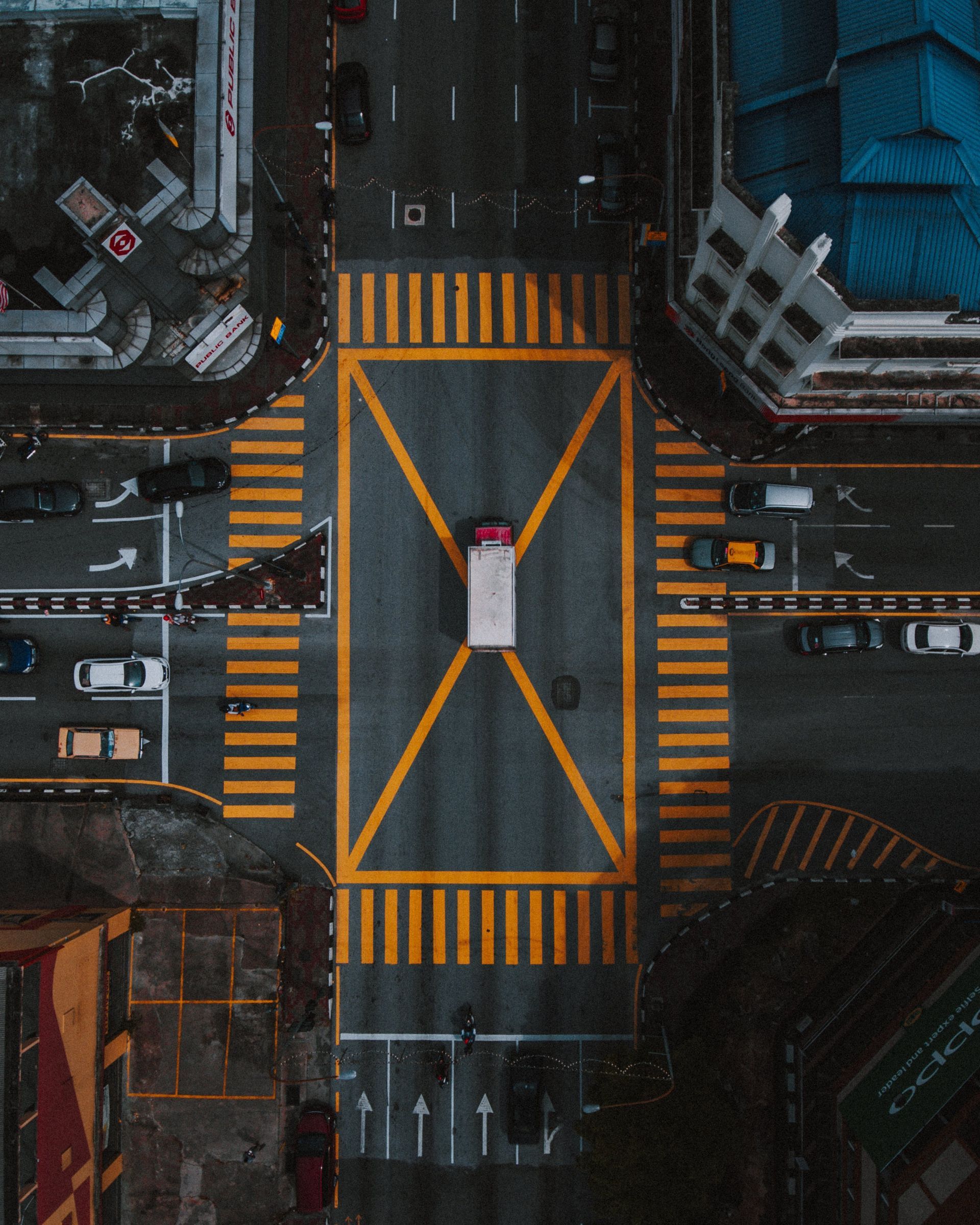
drone landscape photography, ethical operators take deliberate steps to avoid capturing identifiable individuals, private gardens, or sensitive locations without clear permission. In a city like Manchester, where housing developments sit alongside canals, parks, and business zones, professionals carefully plan framing and flight paths to keep the focus on the intended subject area. This responsible approach ensures imagery fulfils its purpose without intruding on personal or confidential spaces, helping to maintain public confidence and professional credibility.
Environmental Responsibility and Wildlife Awareness
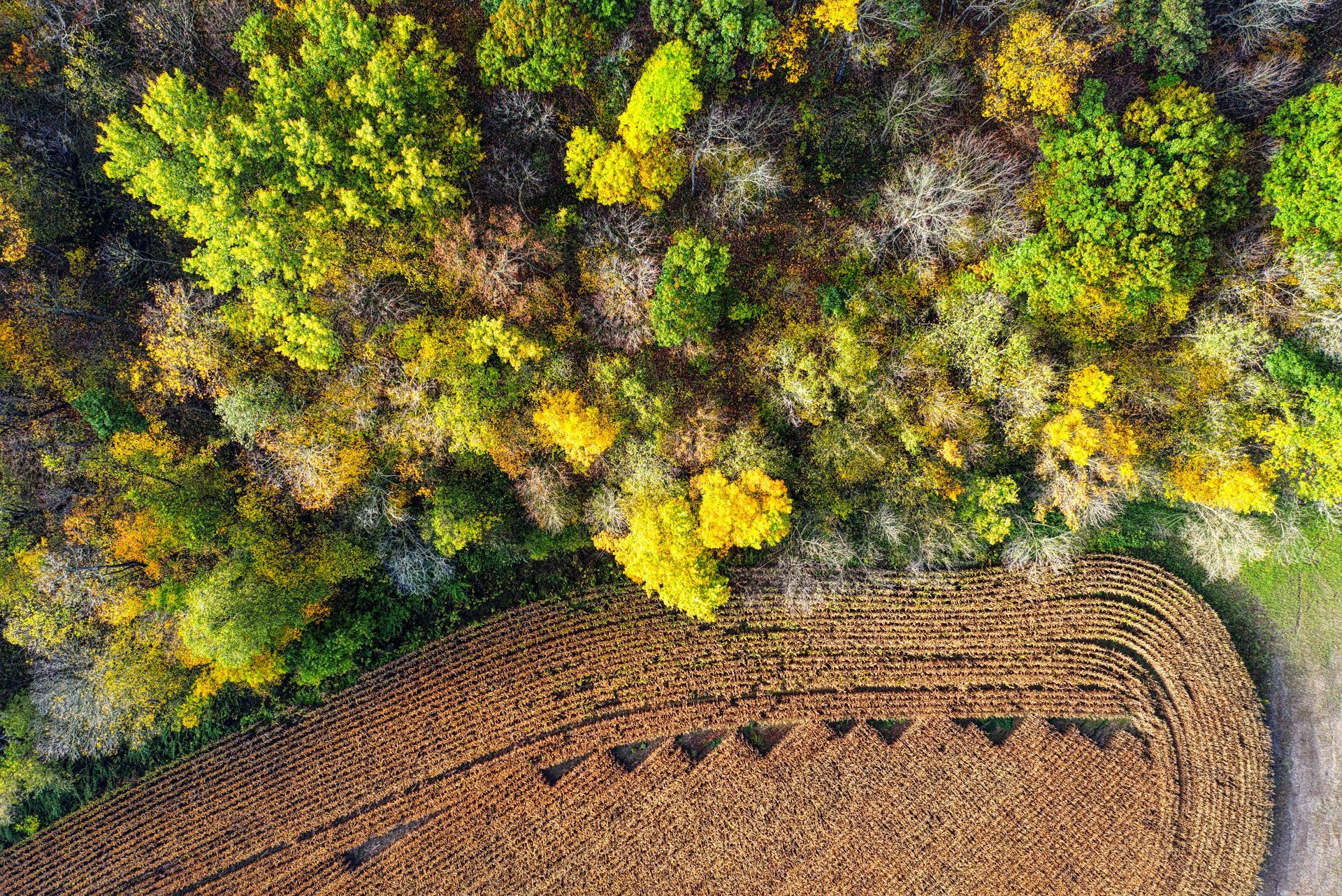
Natural environments deserve particular respect. Moorlands, river valleys, and green belts around Manchester support wildlife and delicate ecosystems. Ethical aerial work avoids unnecessary disturbance, especially during breeding seasons or in protected habitats. Maintaining appropriate distance, limiting repeated flights, and avoiding low-altitude hovering over animals are all part of responsible practice. Many professionals specialising in
aerial nature photography recognise that the goal is to document and promote landscapes, not disrupt them. Environmental awareness helps ensure that imagery supports conservation, tourism, and education rather than causing unintended harm.
Accuracy, Representation, and Visual Integrity
Ethics also extend to how landscapes are represented. Aerial imagery is often used for planning, marketing, and public communication, making accuracy essential. Over-editing, misleading angles, or selective framing can distort reality and create false impressions. Whether documenting regeneration projects or showcasing countryside assets, professionals working in drone photography landscape services aim to present locations honestly and proportionately. Clear communication with clients about what imagery can and cannot convey helps maintain transparency and prevents misinterpretation by end users.
Professional Standards and Operational Responsibility
Ethical practice is closely tied to professionalism. Careful pre-flight assessments, awareness of surroundings, and clear coordination with clients or site managers demonstrate respect for both people and property. In busy metropolitan areas like Manchester, this includes managing operations around transport routes, construction sites, and public venues. Those using drone nature photography for commercial or governmental projects understand that consistent standards build long-term relationships and support wider acceptance of aerial technology across industries.
Technology Choices and Responsible Use
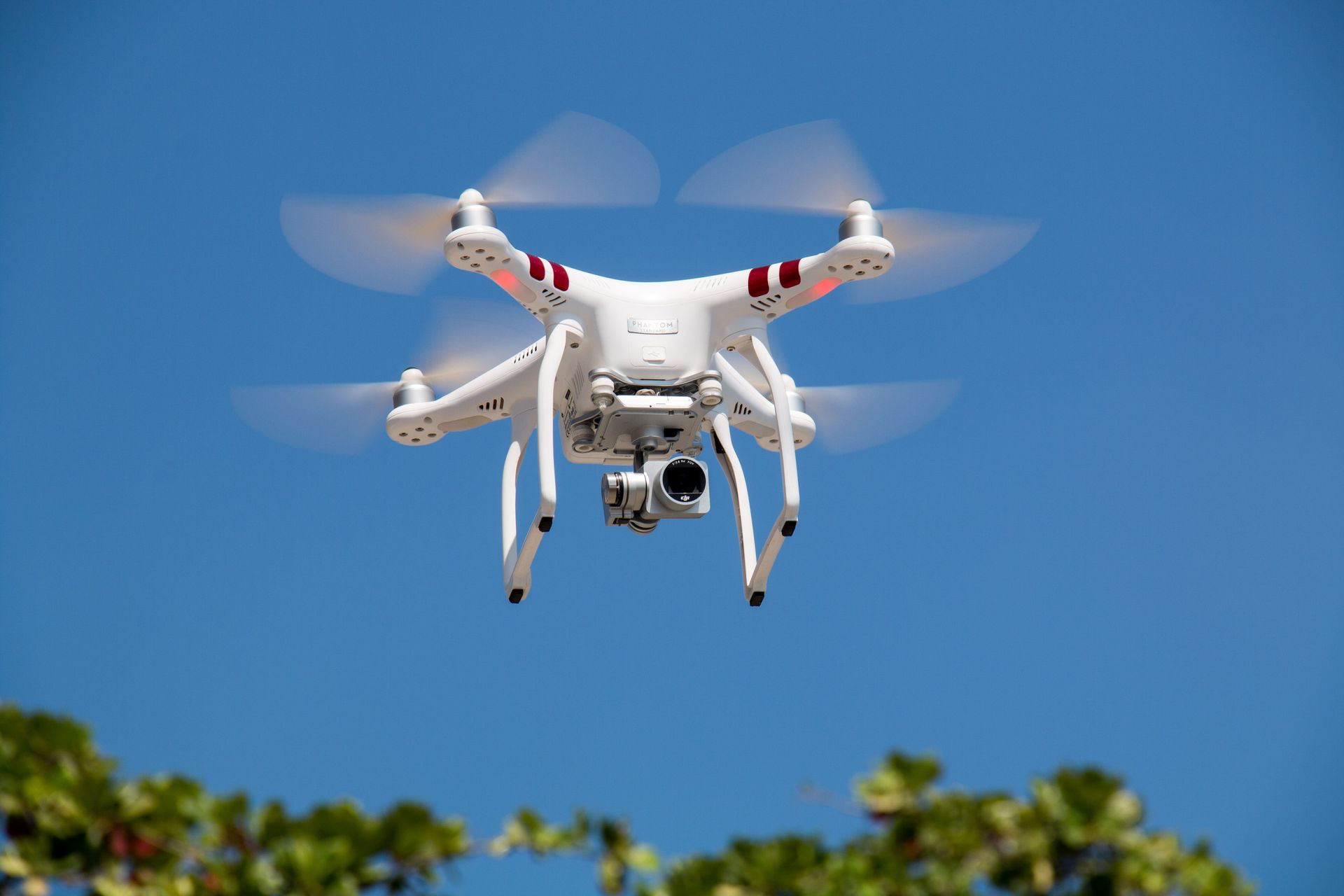
The equipment itself also plays a role in ethical outcomes. Selecting tools that are appropriate for the task reduces unnecessary risk and disturbance. Discussions around the best drones for landscape photography often focus on stability, image quality, and control rather than power or speed. Choosing reliable, precise technology allows operators to capture high-quality results efficiently, minimising time in the air and reducing impact on the surrounding environment. Responsible use of technology reflects a commitment to quality over excess.
Ethical considerations are not an obstacle to creativity; they are the foundation of sustainable and respected aerial practice. By prioritising privacy, environmental care, accuracy, professionalism, and thoughtful use of technology, aerial specialists can deliver powerful results while maintaining public trust. In regions like Manchester, where varied landscapes and communities intersect, ethical awareness ensures that aerial imaging continues to support development, storytelling, and informed decision-making in a responsible way.
Aerial Drone Photography Manchester is committed to delivering high-quality aerial imagery with a strong focus on ethical and professional standards. Our approach to
drone landscape photography balances visual impact with respect for people, places, and the environment. By working closely with clients across commercial, public, and private sectors, we ensure each project is carefully planned, responsibly delivered, and tailored to its purpose. Choosing our team means partnering with professionals who value integrity, clarity, and long-term trust alongside consistently high-quality results.
Update on X: Understanding ethics in
drone landscape photography – a complete guide!